Perspectivas de Ingeniería
Análisis profundos sobre sistemas de IA, arquitectura cloud, sistemas distribuidos y liderazgo en ingeniería.
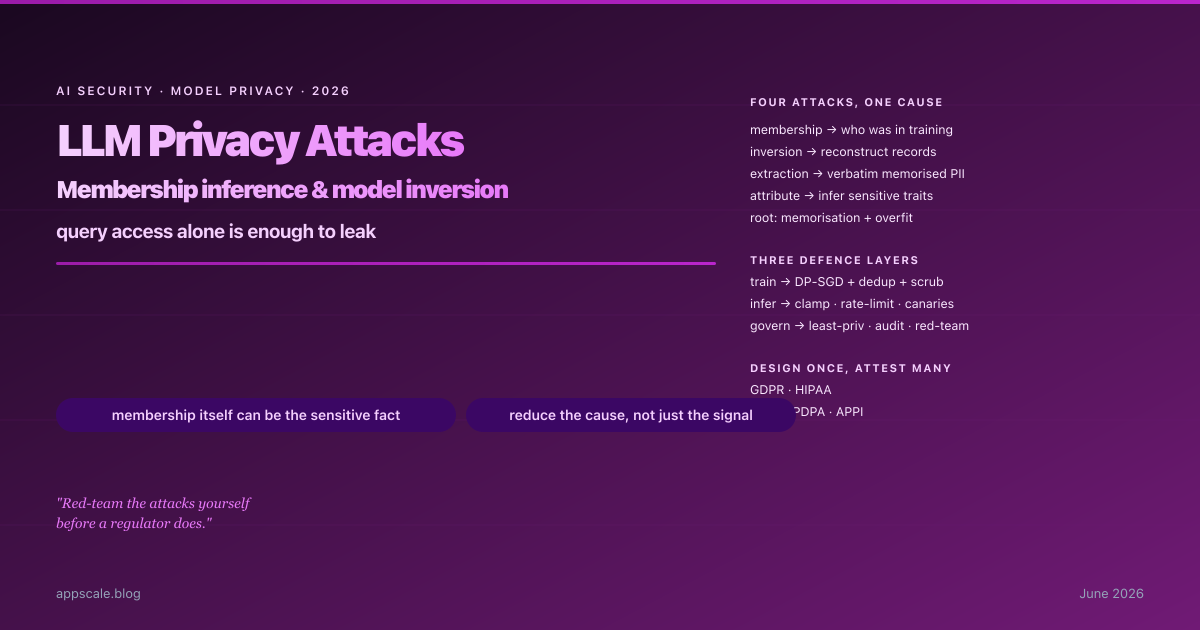
LLM Privacy Attacks: Membership Inference and Model Inversion — and How to Defend (2026)
LLMs leak training data through query access alone — membership inference and model inversion. The defence architecture: reduce memorisation, limit the signal.
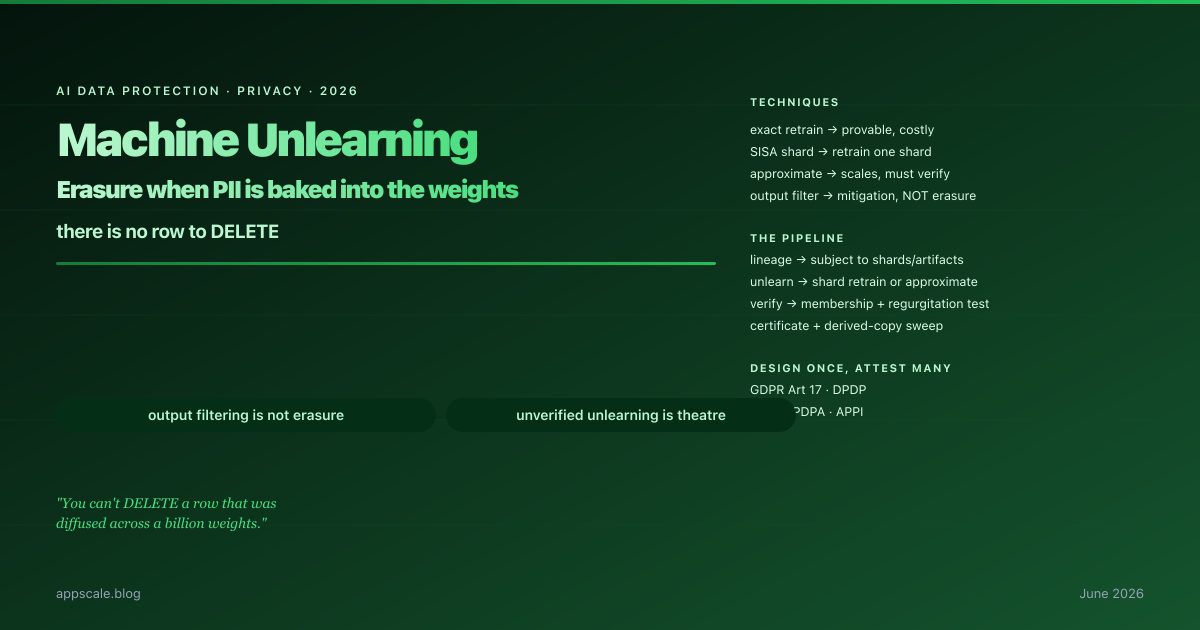
Machine Unlearning: Right-to-Erasure When PII Is Baked Into Model Weights (2026)
Erasure law reaches PII memorised in model weights, but retraining per request is impossible. The architecture for lineage, scalable unlearning, and proof.
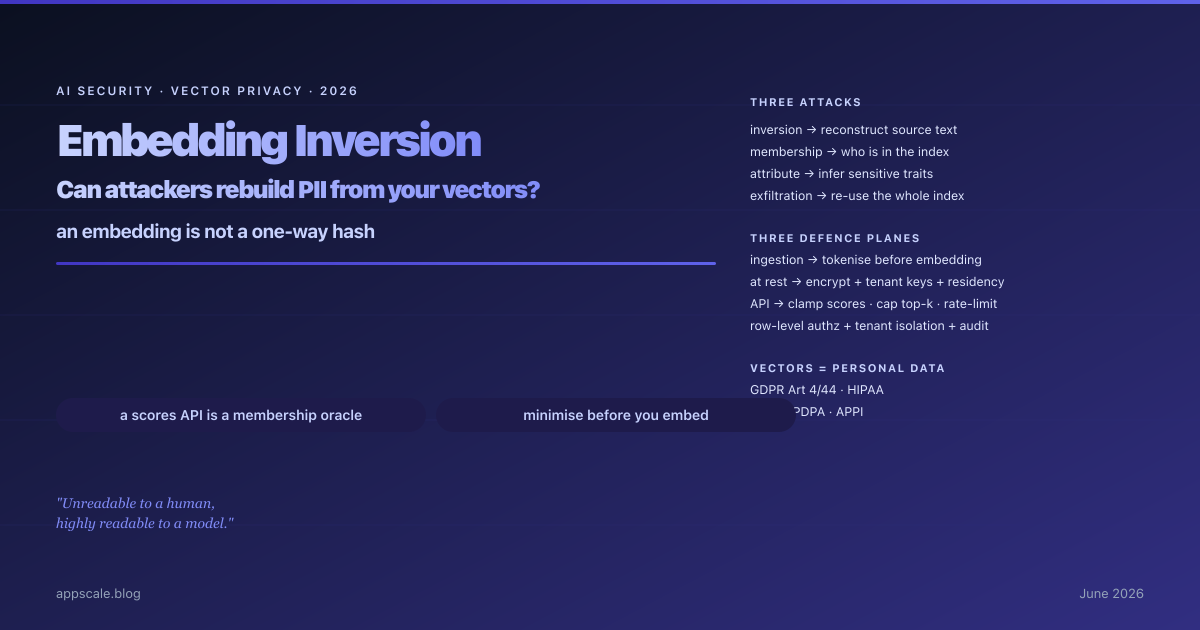
Embedding Inversion: Can Attackers Reconstruct PII From Your Vector Database? (2026)
Embeddings are not anonymised data — text, membership, and attributes can be reconstructed from vectors. The defence architecture for vector-store PII.
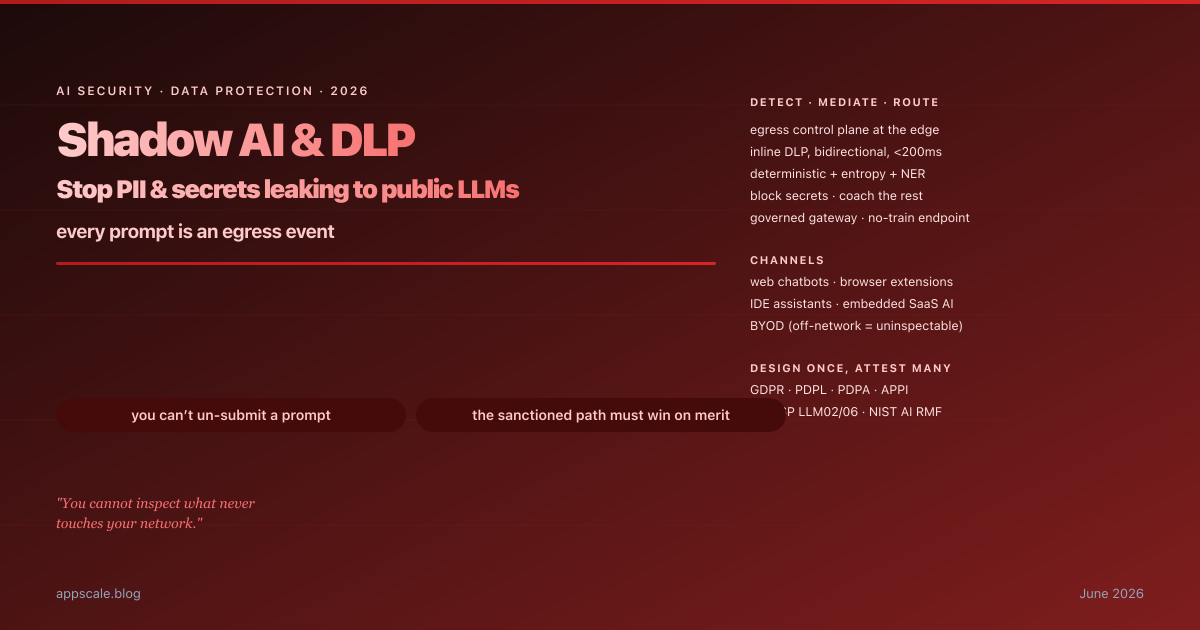
Shadow AI and DLP: Stopping PII and Secret Leakage to Public LLMs (2026)
Shadow AI leaks PII and secrets to public LLMs through everyday prompts. The fix: an egress control plane that detects, redacts, and routes sanctioned traffic.
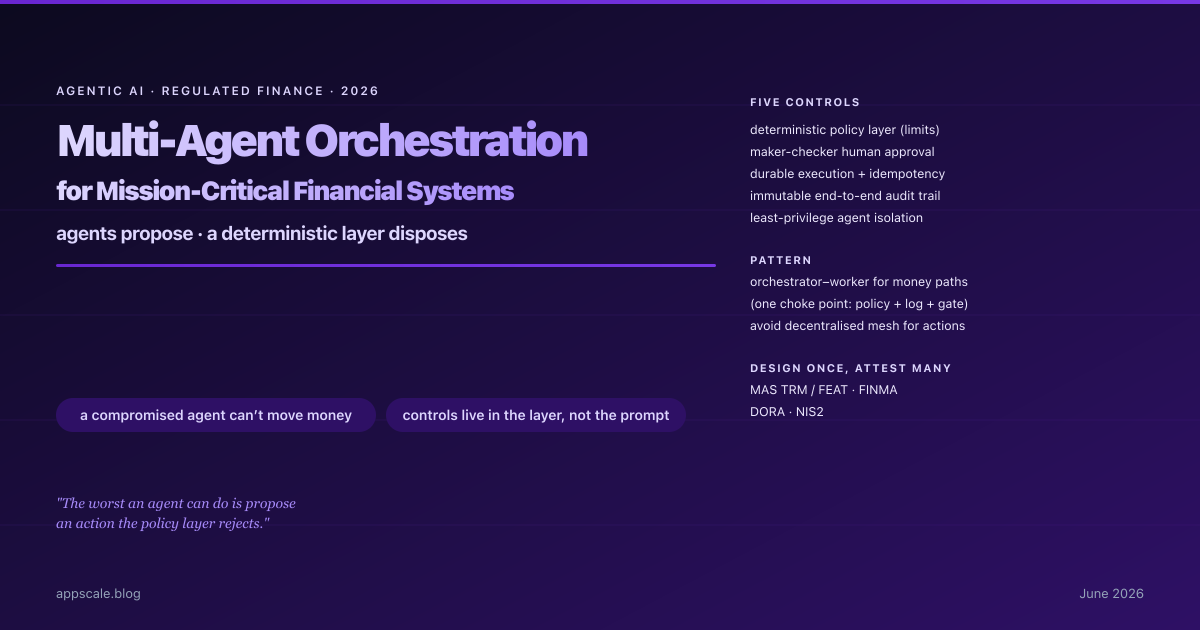
Architecting Multi-Agent Orchestration for Mission-Critical Financial Systems (2026)
Architecting multi-agent AI for mission-critical finance: deterministic guardrails, maker-checker approval, durable execution, audit trails, and blast-radius isolation.
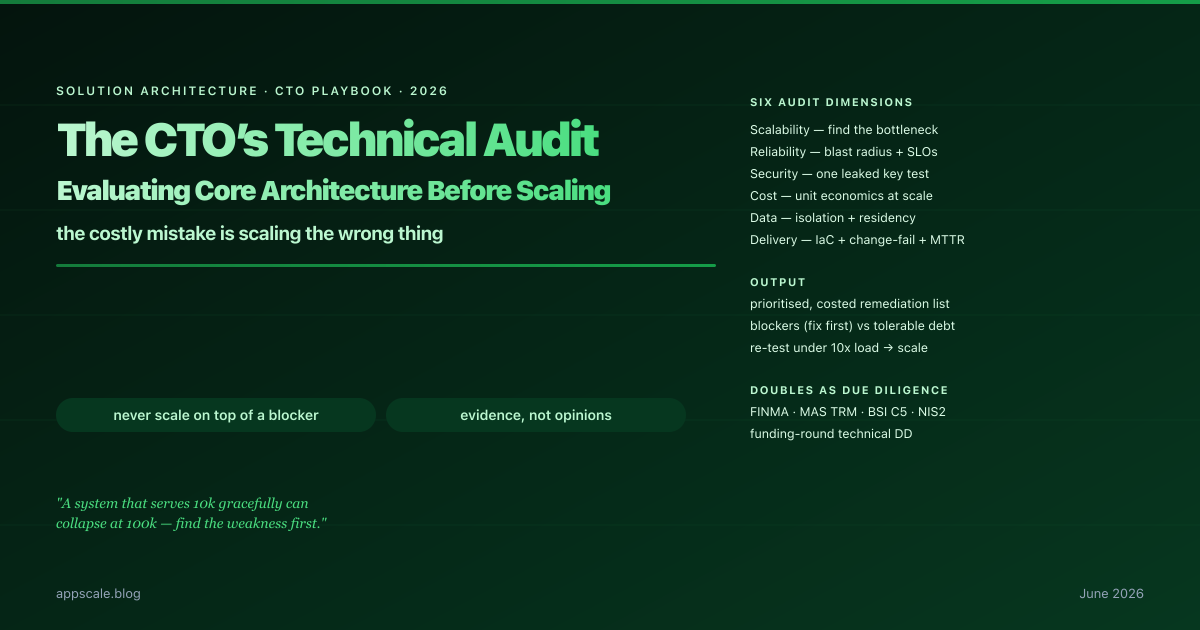
The CTO’s Playbook for Technical Audits — Evaluating Core Architecture Before Scaling (2026)
A CTO’s playbook for technical architecture audits: the six dimensions to evaluate, the red flags that stop a scaling decision, and the audit-to-remediation-to-scale sequence.
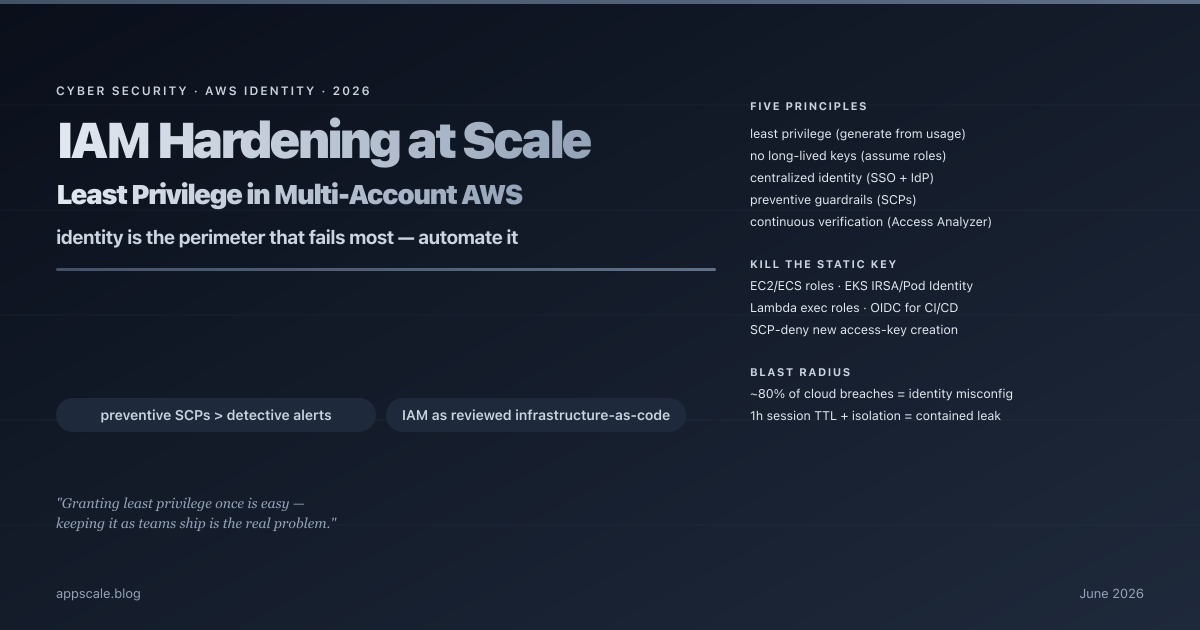
IAM Hardening at Scale — Automating Least Privilege in Multi-Account AWS (2026)
How to harden AWS IAM at scale: multi-account SCP guardrails, federated SSO, keyless workload identity, and automating least privilege continuously with Access Analyzer.
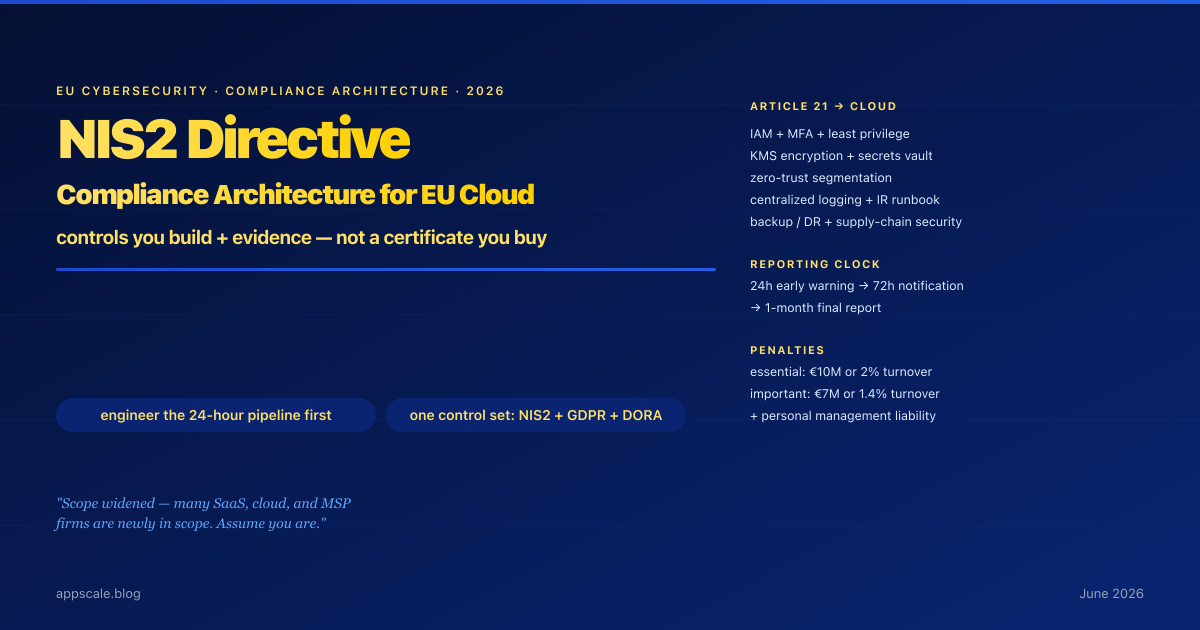
NIS2 Directive — A Compliance Architecture for EU Cloud Systems (2026)
A NIS2 compliance blueprint: map the Article 21 measures to cloud controls, engineer the 24h/72h reporting clock, and reuse one control set across GDPR, the EU AI Act, and DORA.
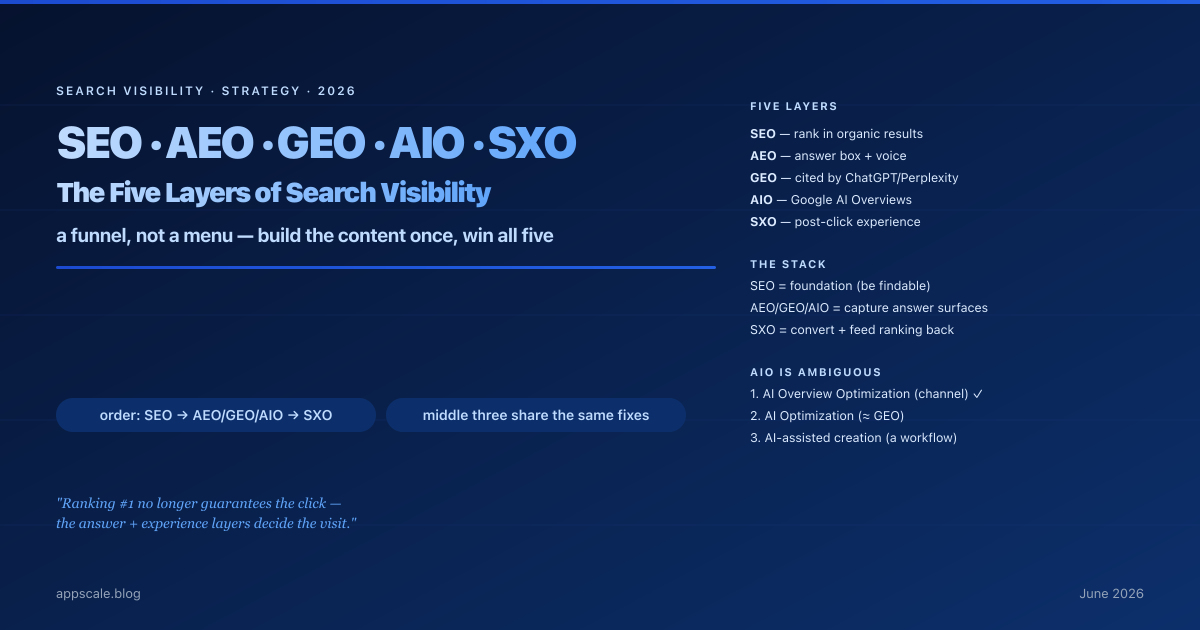
SEO vs AEO vs GEO vs AIO vs SXO — The Five Layers of Search Visibility (2026)
SEO vs AEO vs GEO vs AIO vs SXO explained: the five layers of search visibility in 2026, how they stack, the ambiguous AIO acronym, and which to prioritise first.
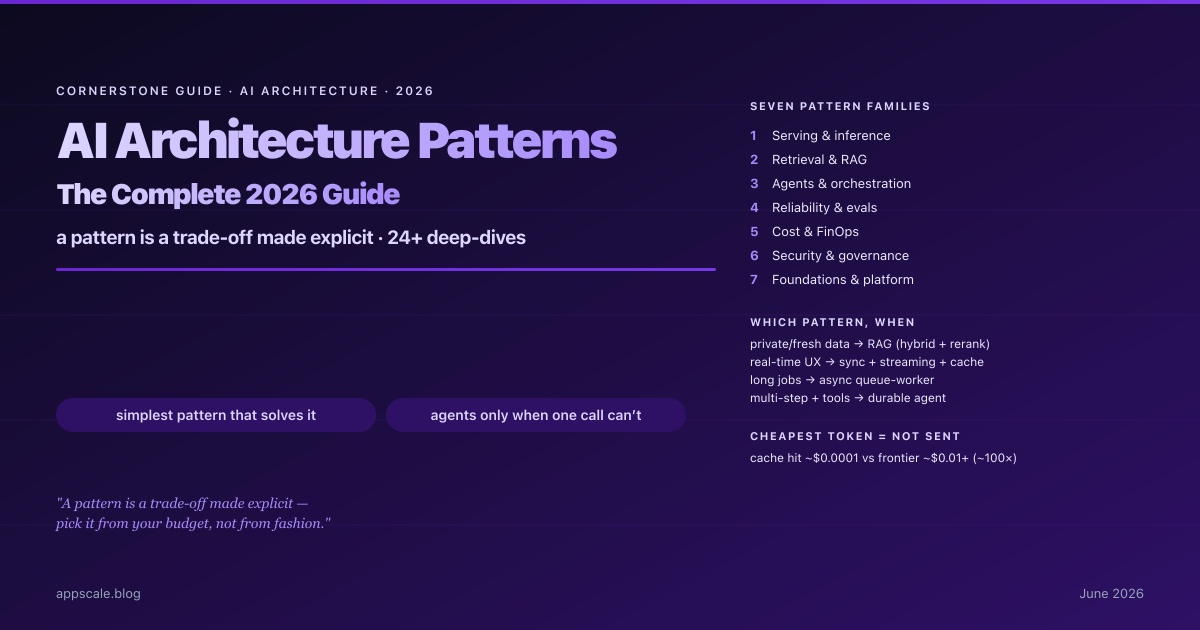
AI Architecture Patterns — The Complete 2026 Guide
The complete 2026 guide to AI architecture patterns — serving, retrieval/RAG, agents, reliability, cost, and security — with a decision tree for choosing the right one.
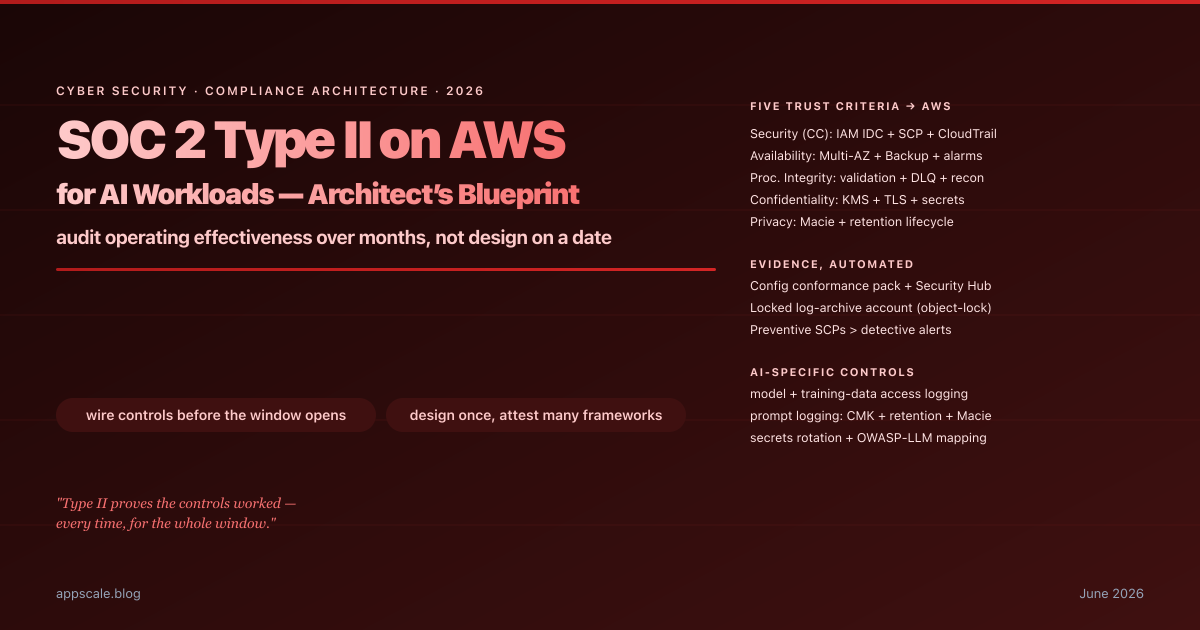
SOC 2 Type II on AWS for AI Workloads — A Solution Architect’s Blueprint (2026)
A solution architect’s blueprint for SOC 2 Type II on AWS for AI workloads: map the five Trust Services Criteria to AWS services, automate evidence, pass the audit.
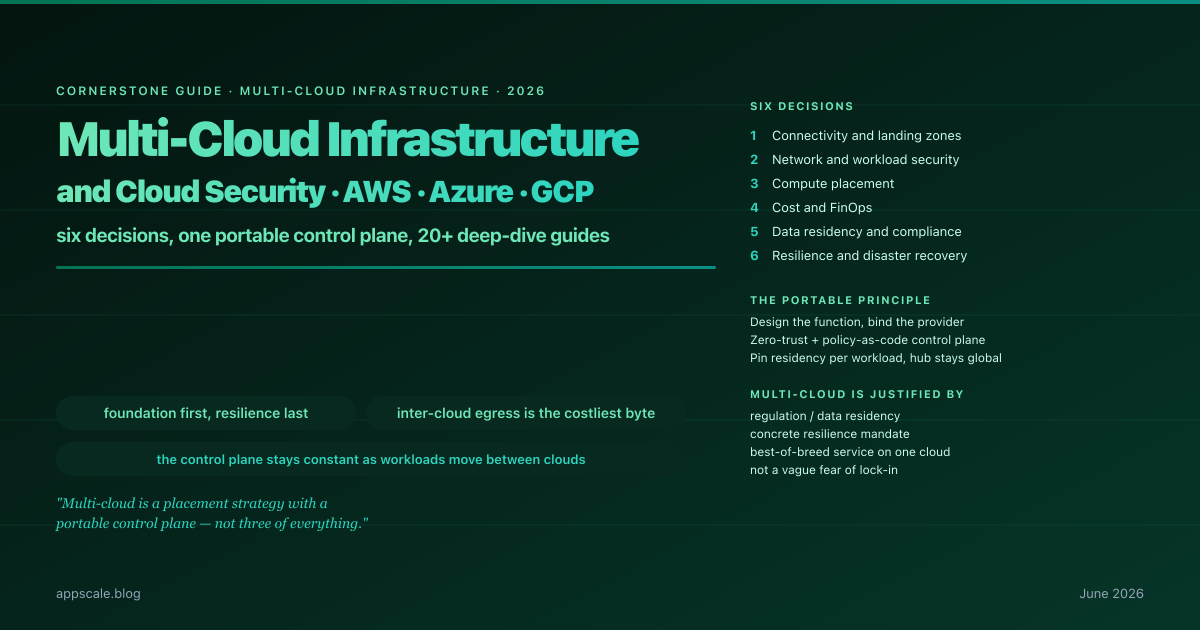
Multi-Cloud Infrastructure and Cloud Security — The Complete 2026 Architecture Guide
A complete 2026 guide to multi-cloud infrastructure architecture — landing zones, zero-trust security, FinOps, data residency, and resilience across AWS, Azure, and GCP.
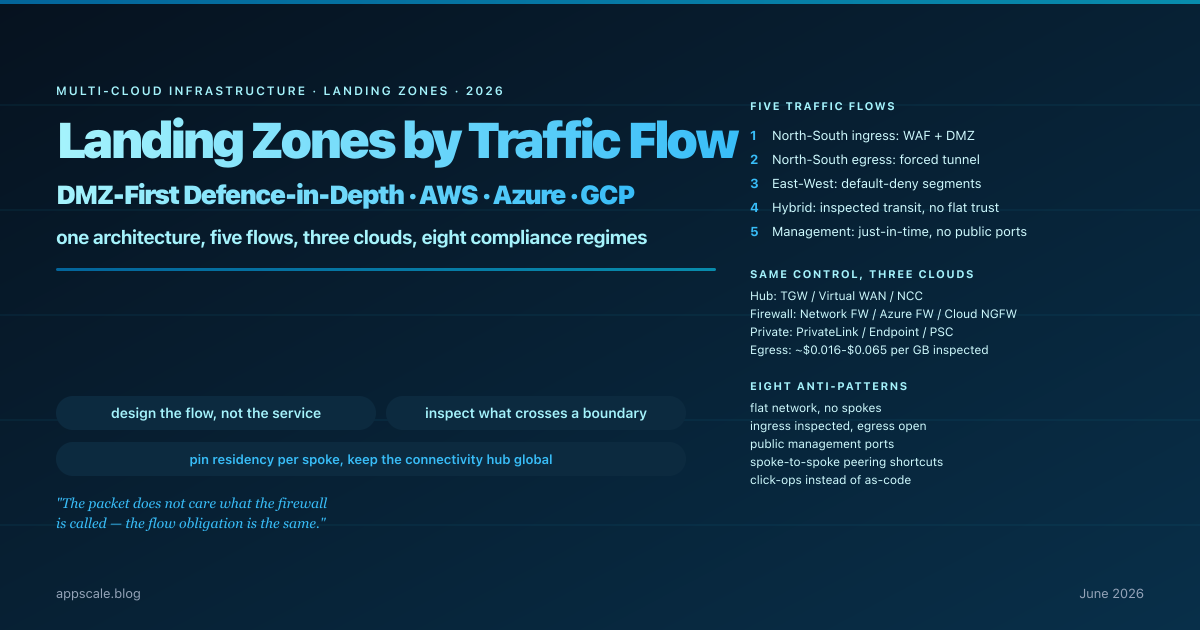
Designing Cloud Landing Zones by Traffic Flow — A Defence-in-Depth, DMZ-First Architecture for AWS, Azure, and GCP (2026)
Design cloud landing zones by traffic flow: a DMZ-first, defence-in-depth architecture mapped across AWS, Azure, and GCP, with regional compliance overlays.
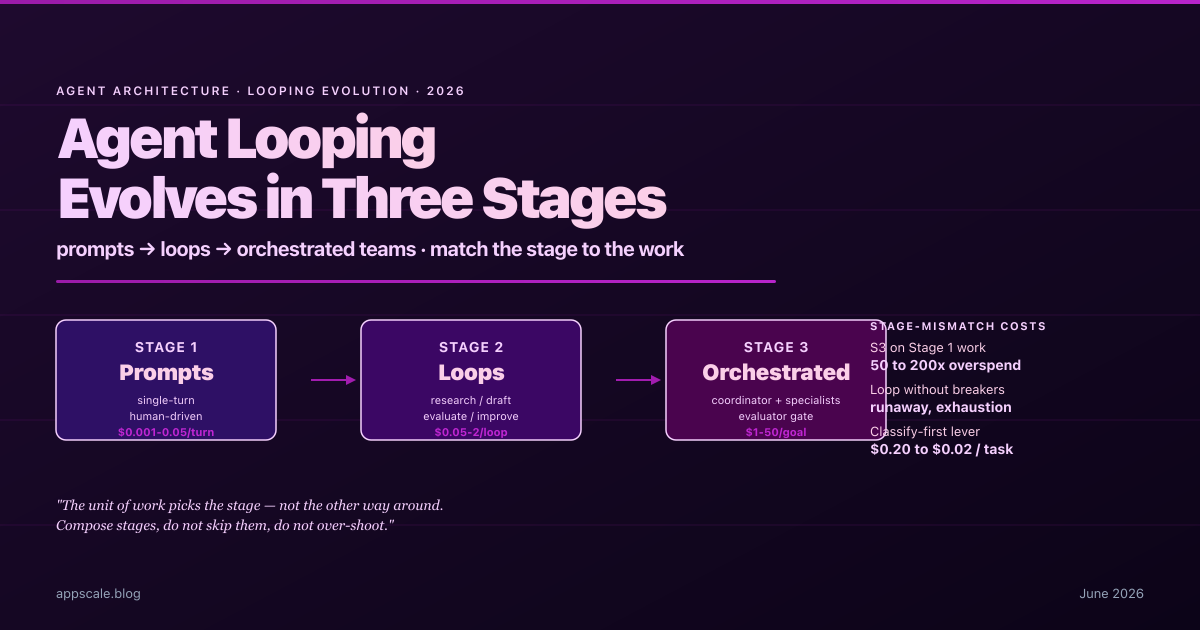
Agent Looping Architecture 2026 — From Prompt Engineering to Loop Engineering to Orchestrated Agent Teams
Agent architecture in 2026 has three stages — prompt engineering, loop engineering, orchestrated teams — with a routing tree, cost matrix, and the eight anti-patterns to avoid.
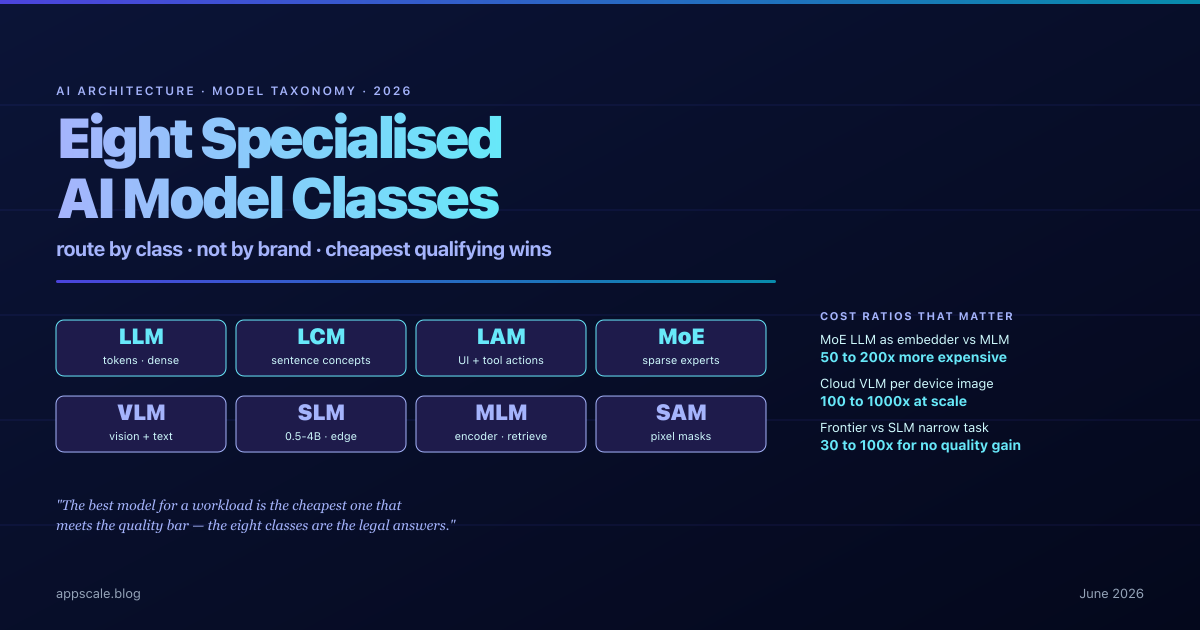
Eight Specialised AI Model Architectures 2026 — LLM, LCM, LAM, MoE, VLM, SLM, MLM, SAM Decision Matrix
Architecture decision matrix for the eight specialised AI model classes of 2026 — LLM, LCM, LAM, MoE, VLM, SLM, MLM, SAM — with routing tree, costs, and composition patterns.
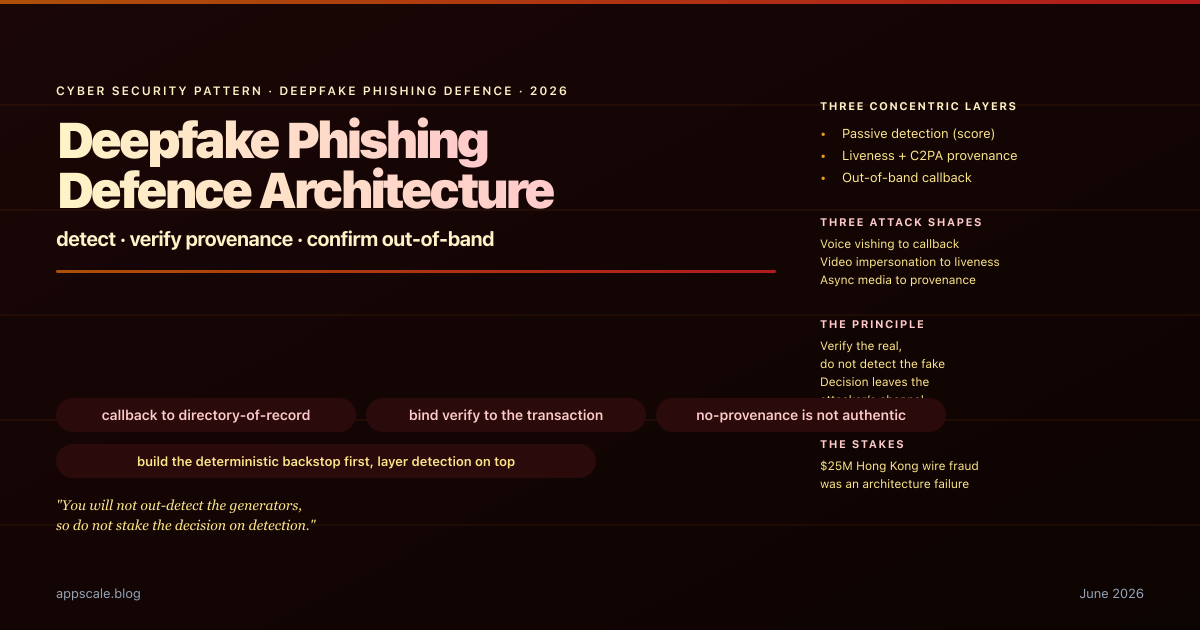
Deepfake Phishing Defence — Synthetic Voice and Video Detection and Verification Architecture (2026)
Deepfake phishing defence for 2026: layered detection, C2PA content provenance, and the out-of-band callback protocol that defeats a flawless voice or video impersonation.
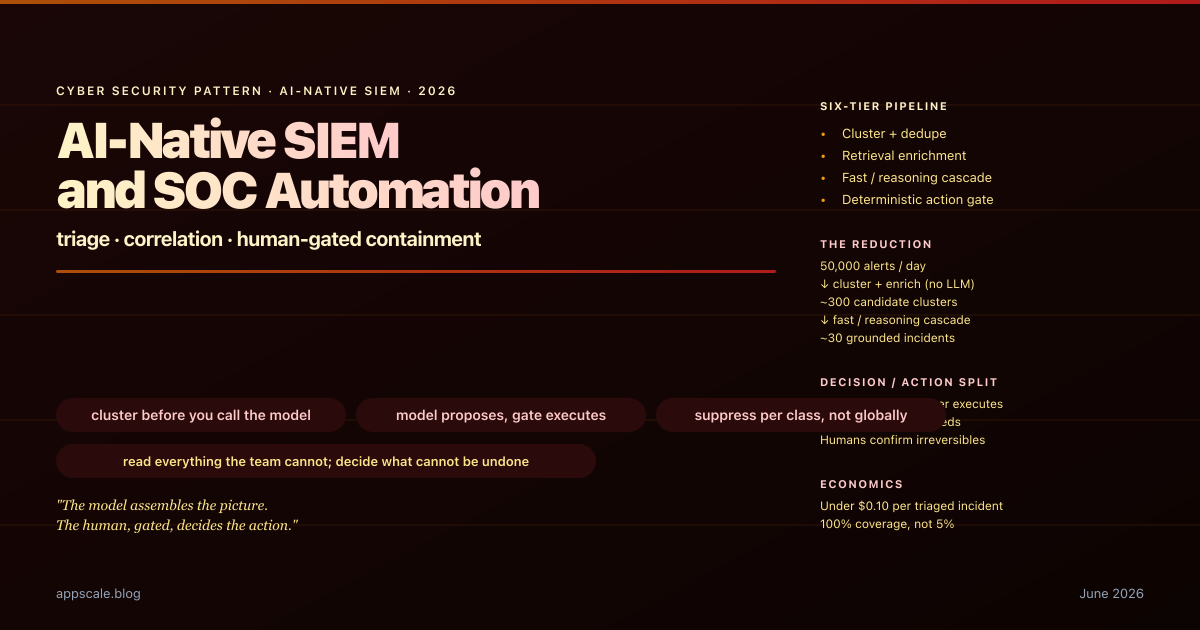
AI-Native SIEM and SOC Automation — LLM Alert Triage, Correlation, and Human-Gated Containment (2026)
AI-native SIEM for 2026: LLM clustering, correlation, and summarisation that turns 50,000 alerts into 30 grounded incidents, with a deterministic human-gated containment tier.
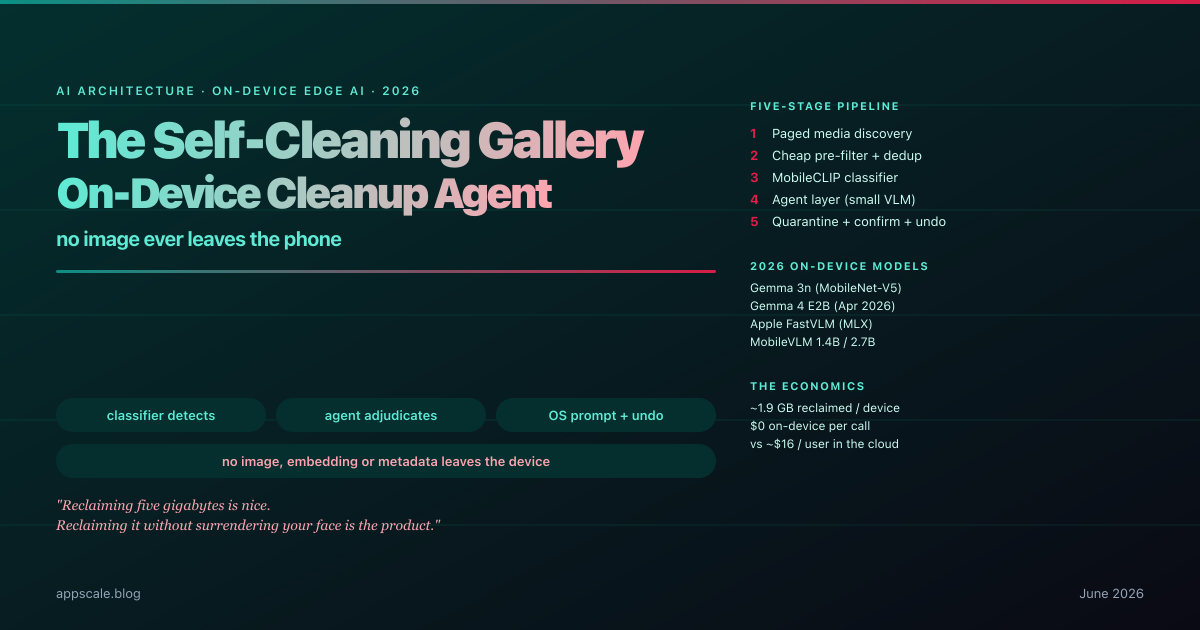
The Self-Cleaning Gallery — A Fully On-Device Agent That Reclaims Storage from Advertising Clutter (2026)
A fully on-device gallery-cleanup agent flags ad clutter with a MobileCLIP-class vision classifier, then quarantines and reclaims gigabytes — no image leaves the phone.
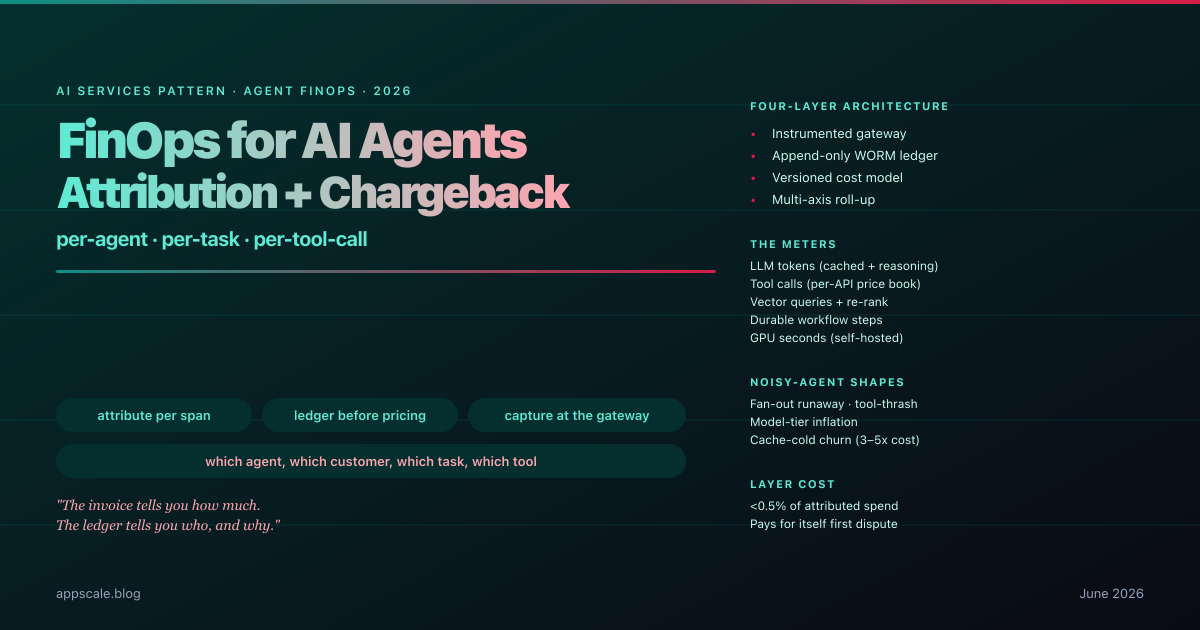
FinOps for AI Agents — Per-Agent, Per-Task, Per-Tool-Call Cost Attribution and Chargeback for Autonomous Fleets (2026)
Production agent-fleet FinOps in 2026: per-span cost attribution, append-only ledger, versioned cost model, multi-axis roll-up, noisy-agent detection, chargeback.
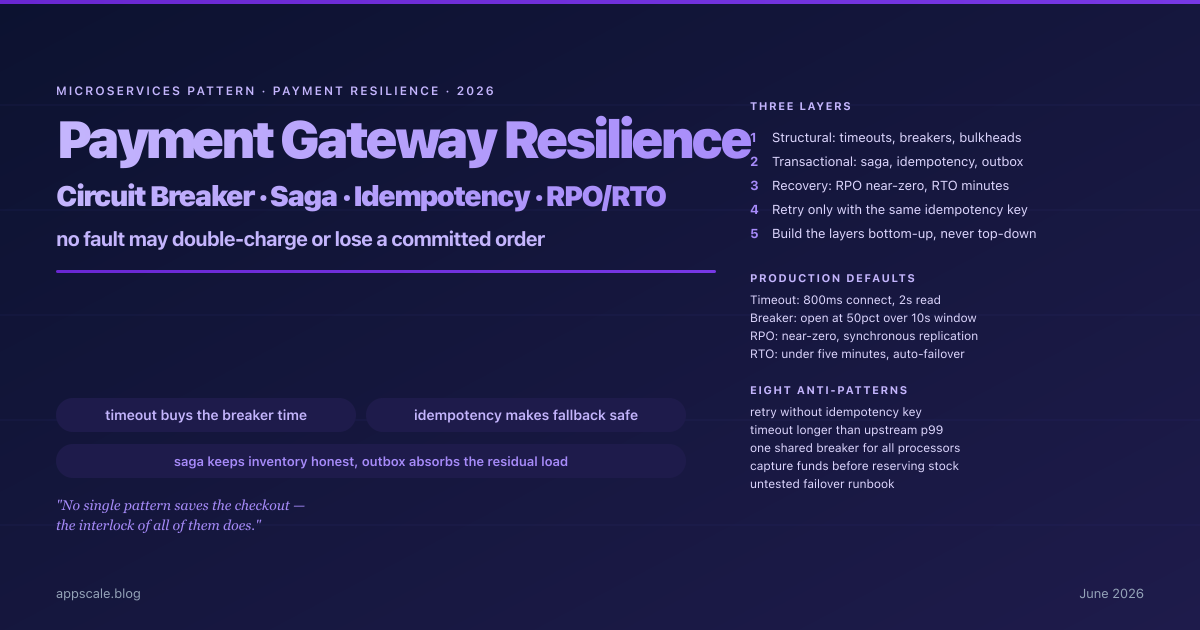
How a High-Throughput Payment Gateway Stays Up — Timeouts, Circuit Breakers, Sagas, Idempotency, and RPO/RTO (2026)
How a high-throughput payment gateway stays up: timeouts, circuit breakers, sagas, idempotency keys, the transactional outbox, and near-zero RPO with low RTO failover.
Mantente a la Vanguardia
Análisis semanales profundos sobre sistemas de IA, arquitectura cloud, sistemas distribuidos y liderazgo de ingeniería. Únete a más de 5,000 ingenieros.