Engineering Insights
Deep-dives on AI systems, cloud architecture, distributed systems, and engineering leadership.
Rust vs C++ for On-Device Inference Engines
Memory safety versus bare-metal control for mobile AI engines. Where the three crash classes live, why ecosystem gravity beats safety, and where to put the unsafe seam.
The CACTUS Framework: Automated Data Quality Gates for RAG
Your RAG hallucinates because the corpus is wrong, not the model. The six CACTUS data-quality gates, the heuristic-vs-judge cost split, and how to measure it.
Batch LLM Inference: Processing Millions of Documents Without Going Broke
A classification backfill through the chat endpoint turned a $400 job into $3,000 and still failed. Batch LLM inference: half the cost, resumable, built for finite jobs.
PromptOps: Managing Prompts as Code Before They Break Production
One prompt edit, shipped with no version history and no eval, silently regresses production for a week. PromptOps: prompts as versioned, tested, rollback-able code.
TOGAF vs Zachman: Do You Still Need an EA Framework in 2026?
TOGAF is a method, Zachman a taxonomy, and neither works as shipped. The decision table, where both fail, and the slim EA stack that survives contact with 2026.
Flutter and React Native at Scale: When Many Teams Share One App
Three squads in one mobile codebase means merge queues, 45-minute CI, and blocked releases. Feature modules, monorepo tooling, and the tribe topology that fix it.
ACID Transactions and Isolation Levels, Explained with Failures
Dirty reads, lost updates, and write skew: the bugs each isolation level permits, what Postgres and MySQL actually default to, and the cheapest weapon per write path.
Database Sharding vs Partitioning: Scaling Beyond One Box
Partitioning makes one box manageable; sharding makes many boxes act as one database. The decision table, shard-key design, and the scaling ladder to exhaust first.
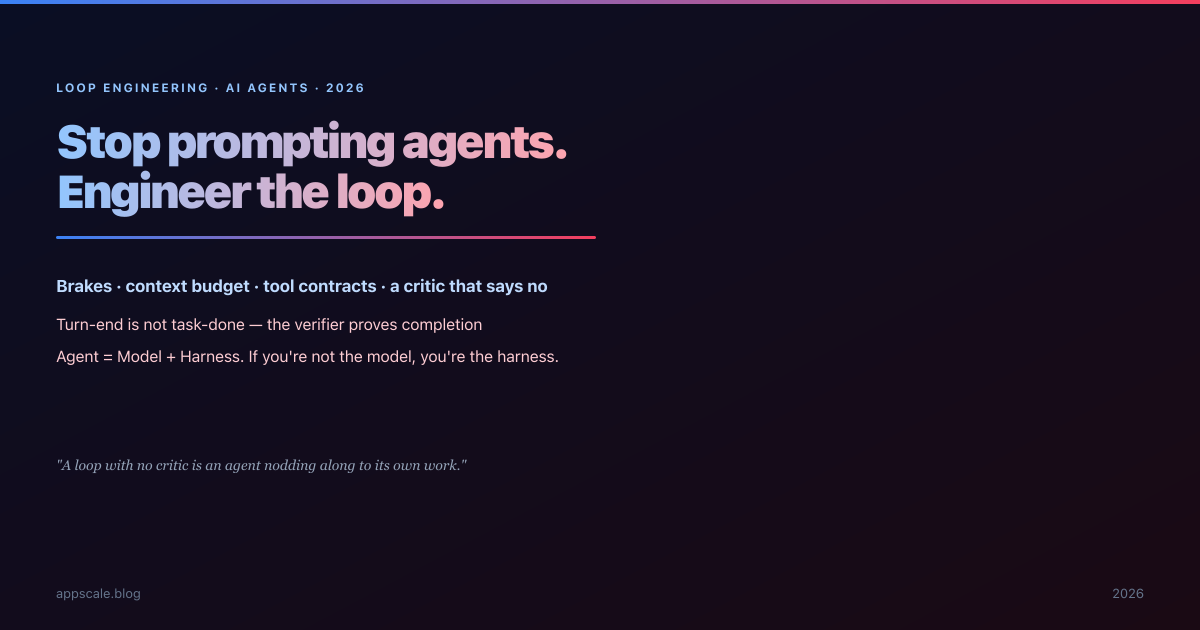
Loop Engineering for AI Agents: The Complete Guide
"I don't prompt Claude anymore. My job is to write loops." The complete guide to loop engineering: brakes, context rot, tool contracts, and the verifier that says no.
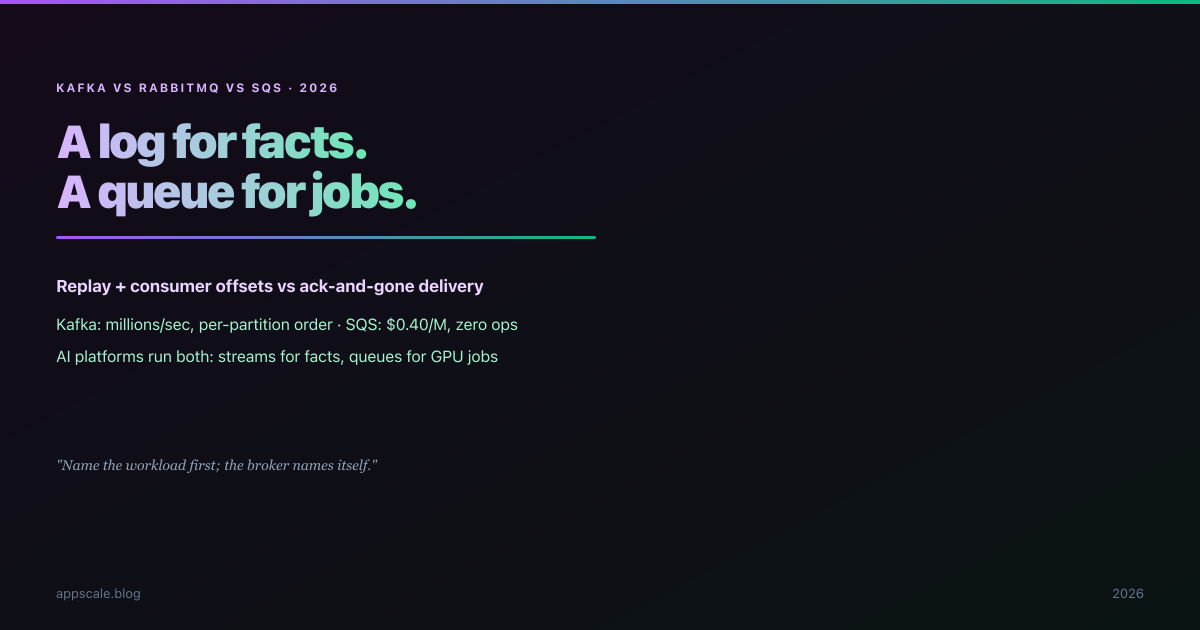
Kafka vs RabbitMQ vs SQS: Choosing a Message Broker
Kafka vs RabbitMQ dissolves once you name the workload: a log for facts many systems read and replay, a queue for jobs done once. The decision table and AI angle.
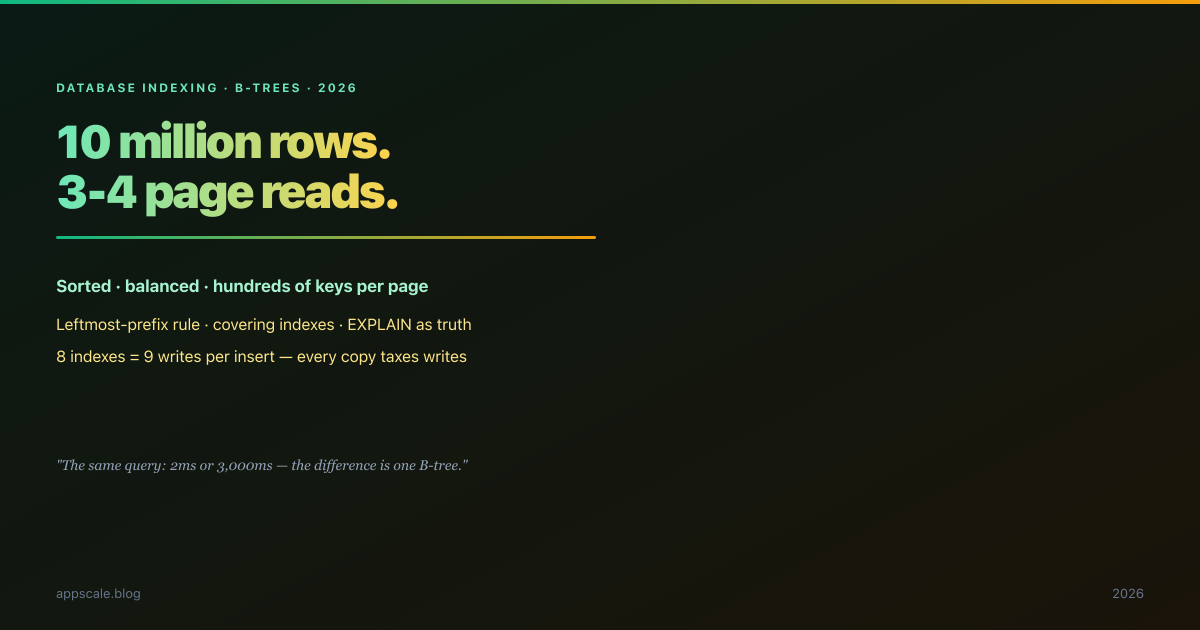
Database Indexing: How B-Trees Power Postgres and MySQL
The same query: 2ms or 3,000ms — the difference is one B-tree. How database indexes actually work, composite column order, covering indexes, and when the planner says no.
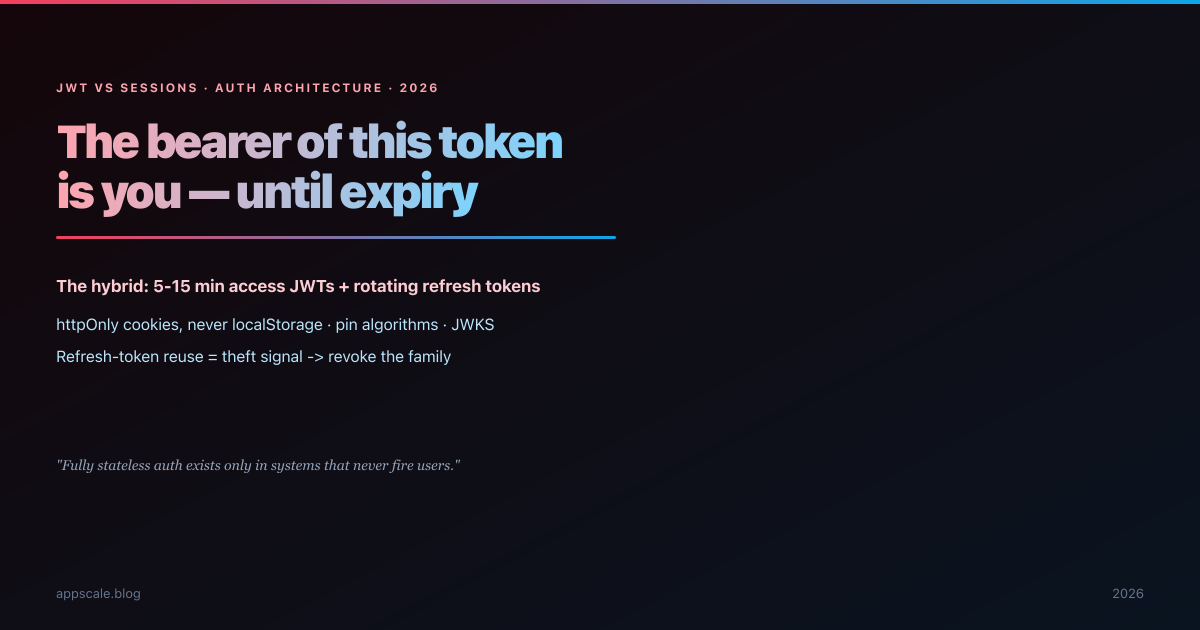
JWT vs Sessions: Authentication Architecture That Doesn't Bite Back
The decade-old JWT vs sessions fight has a boring answer: both, deliberately. Short access JWTs, rotating refresh tokens, httpOnly cookies, and a real revocation story.
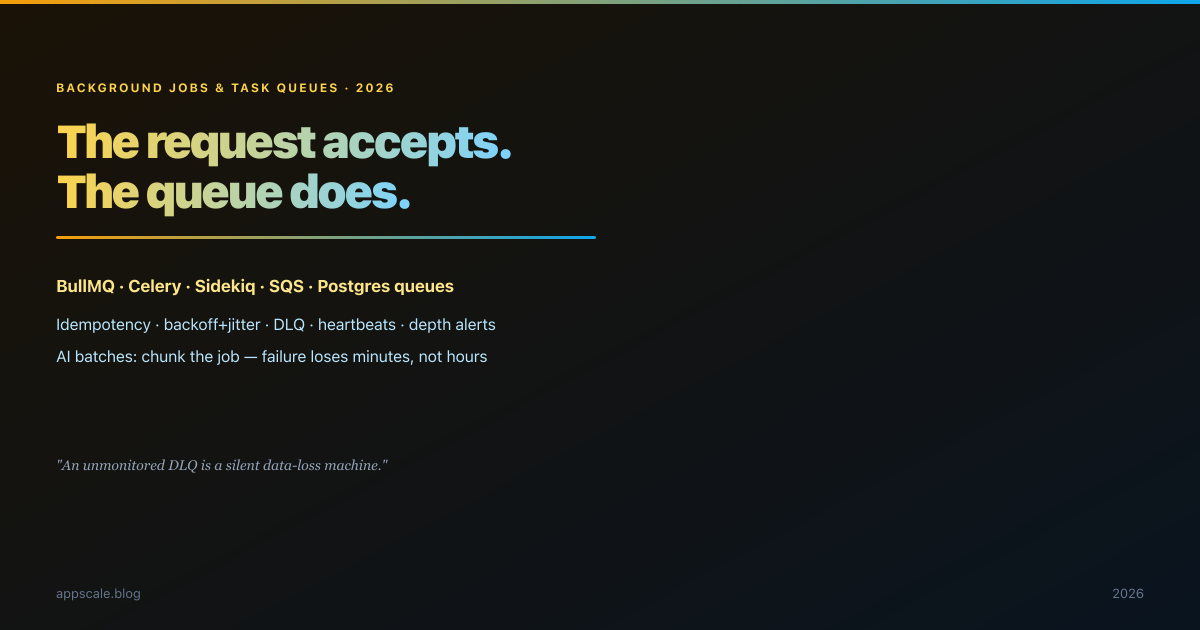
Background Jobs and Task Queue Architecture: BullMQ, Celery, and SQS
The request cycle is for accepting work; the queue is for doing it. BullMQ vs Celery vs Sidekiq vs SQS, the five production requirements, and the AI-batch job shape.
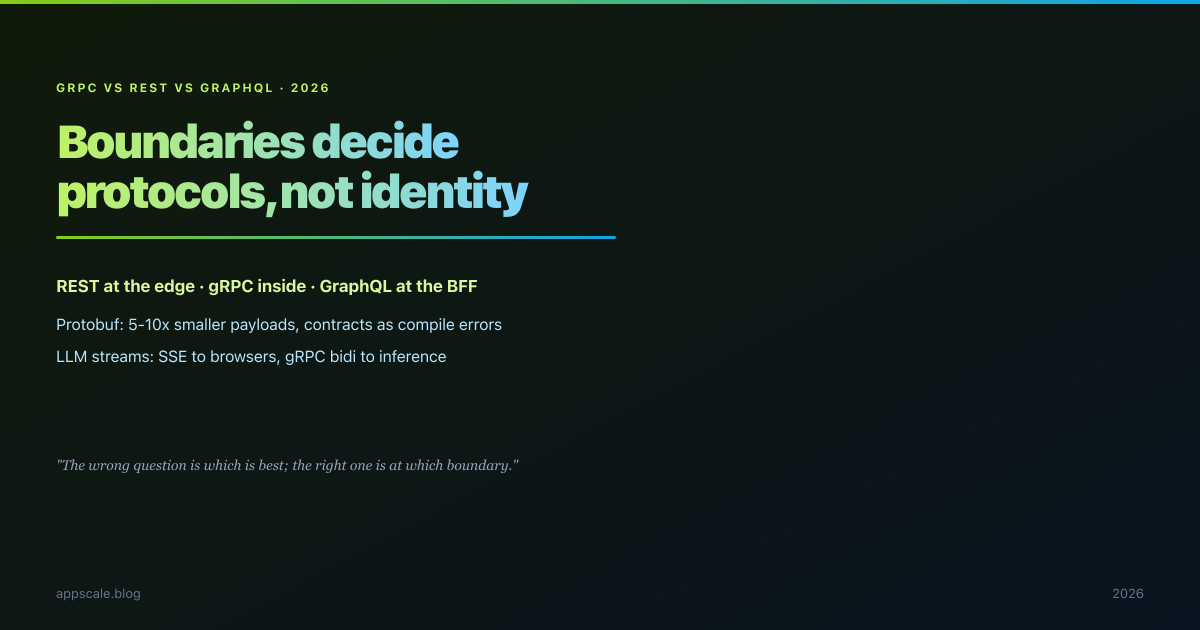
gRPC vs REST vs GraphQL: Choosing an API Protocol in 2026
Stop asking which API protocol is best. REST at the edge, gRPC inside, GraphQL at the BFF — the boundary decision table, the 2026 AI-traffic wrinkles, and migration paths.
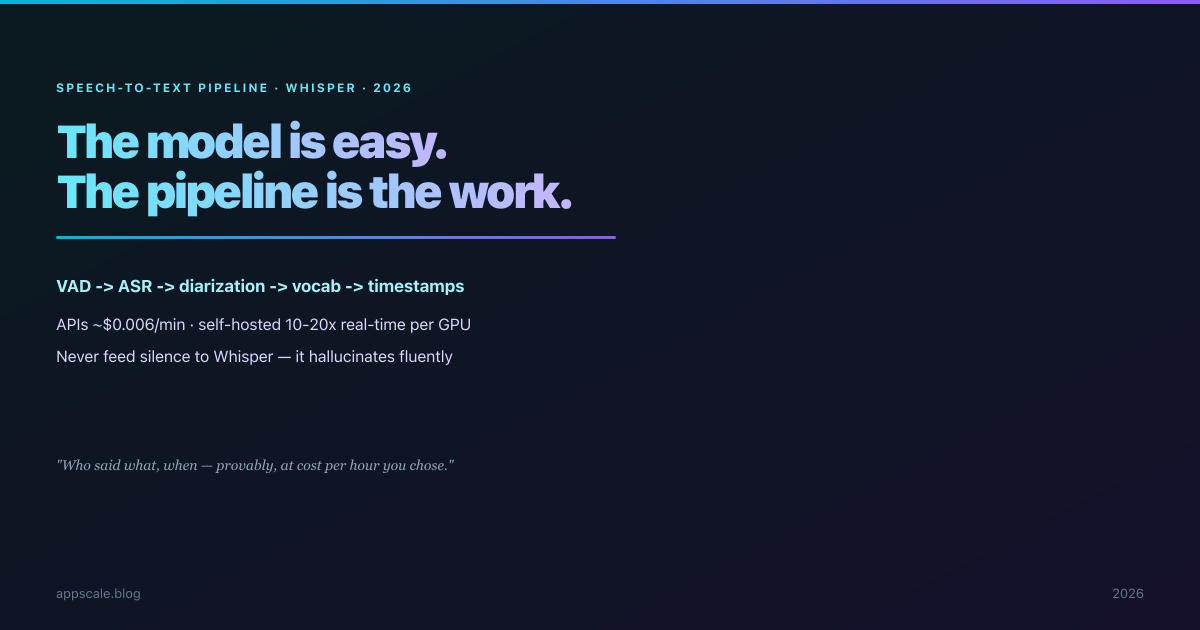
Speech-to-Text Pipeline Architecture: Whisper, Diarization, and Production Transcription
Whisper made transcription near-human. The engineering is everything around it: VAD, chunking, diarization, custom vocabulary, and the API-vs-self-hosted cost math.
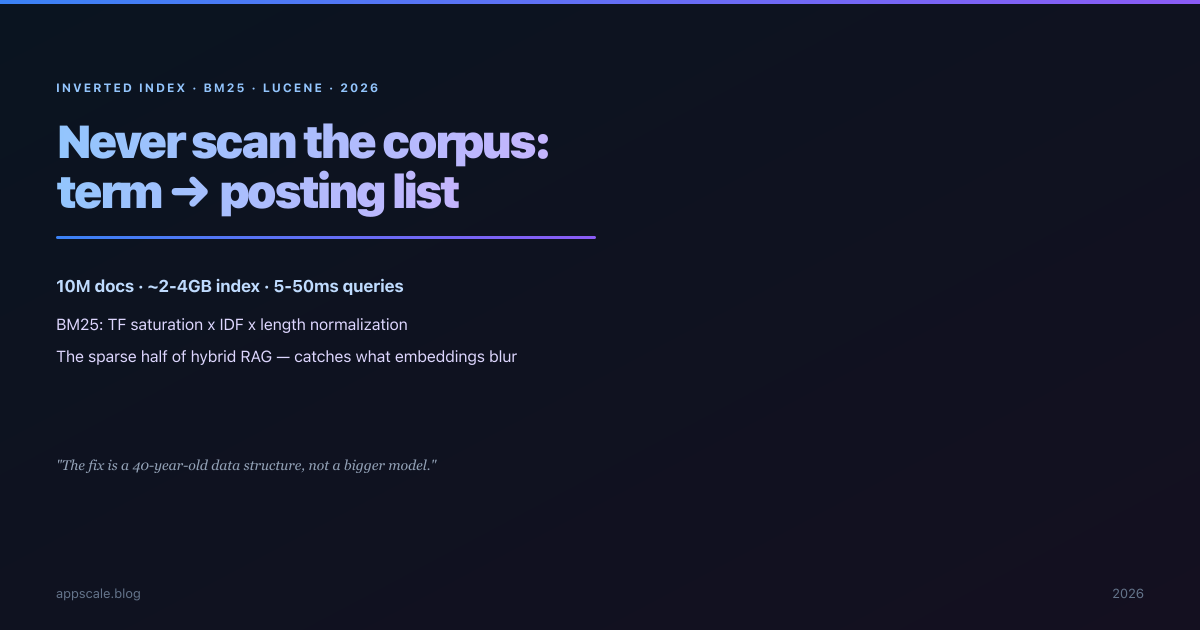
Inverted Index Architecture: How Search Engines Work (BM25, Lucene, Elasticsearch)
The 40-year-old data structure behind every search engine — and the sparse half of modern RAG. Posting lists, segments, BM25 scoring, and Lucene to Elasticsearch.
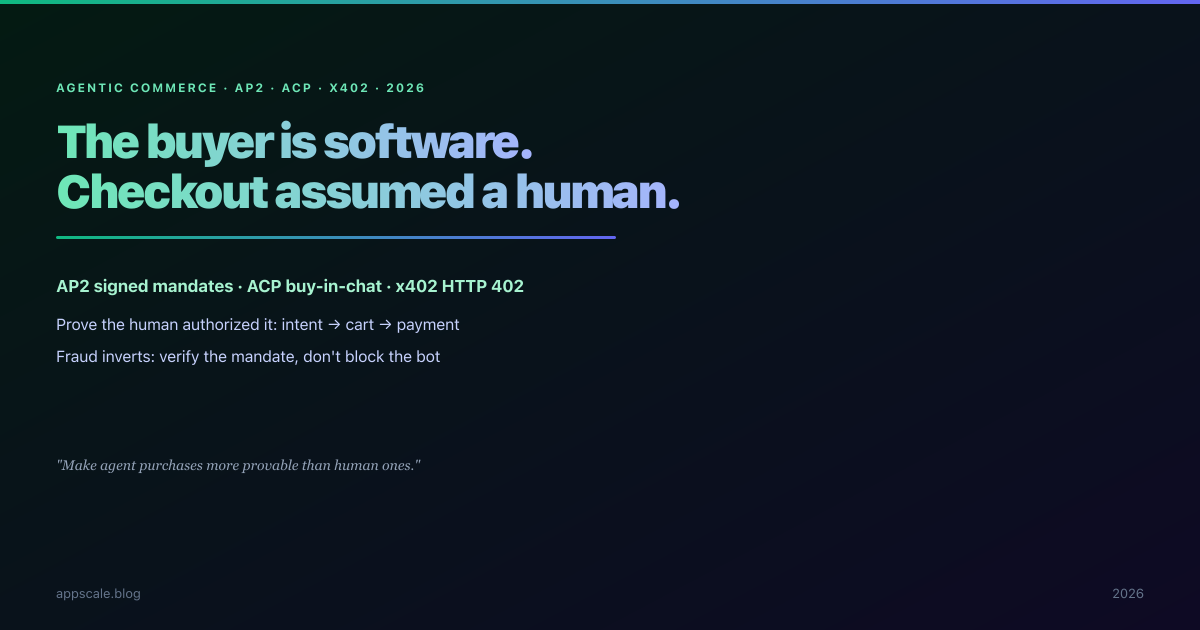
Agentic Commerce Architecture: AI Agent Payments with AP2, ACP, and x402
AI agents are becoming buyers, and checkout assumed a human. AP2 mandates, ACP buy-in-chat, and x402 micropayments — the architecture merchants and platforms must build.
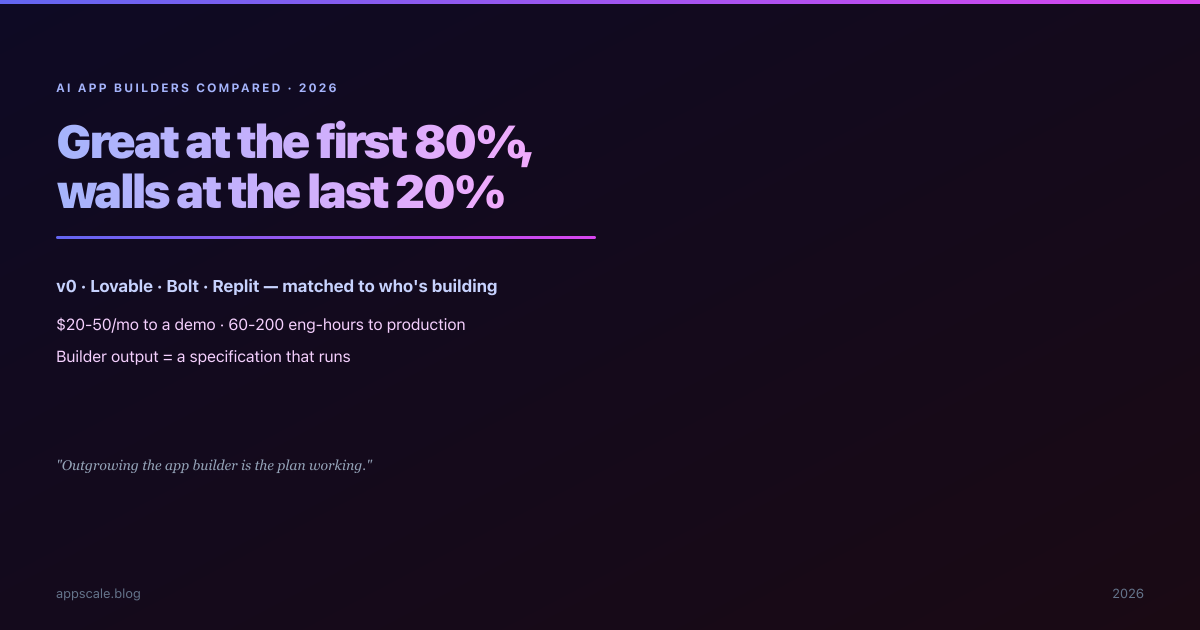
v0 vs Lovable vs Bolt vs Replit: AI App Builders Compared
Prompt-to-app builders collapse weeks into hours — then hit the same wall. v0 vs Lovable vs Bolt vs Replit honestly compared, and how to graduate to production.
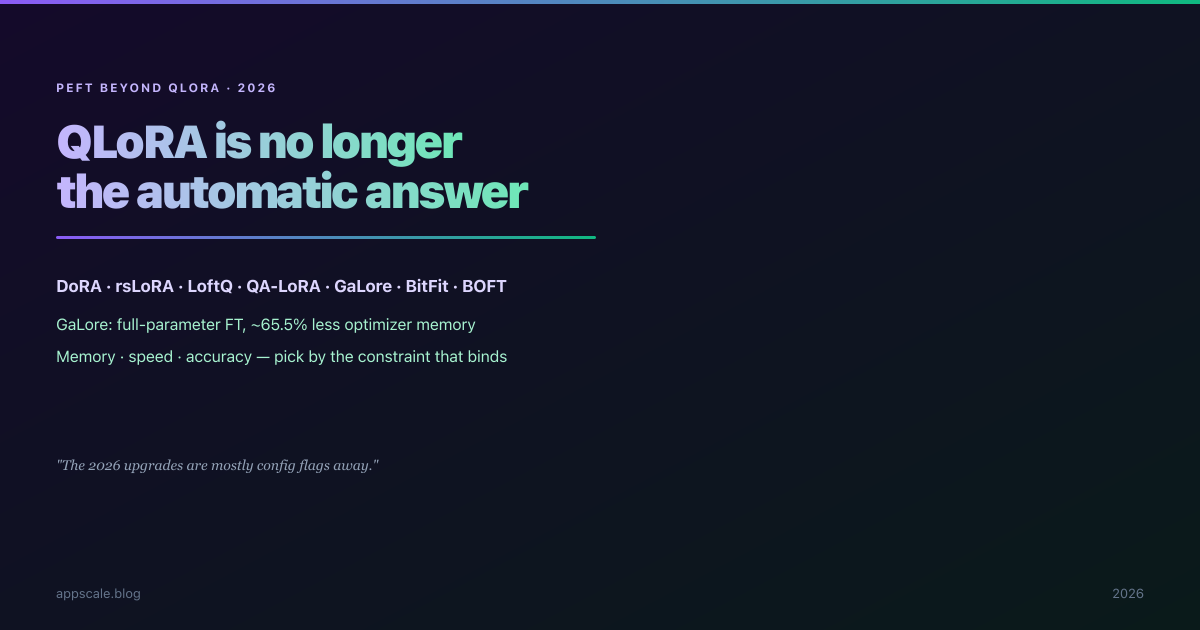
Parameter-Efficient Fine-Tuning (PEFT) Beyond QLoRA: DoRA, GaLore, and LoftQ
QLoRA is no longer the automatic answer. DoRA for accuracy, LoftQ for quantization damage, GaLore for full-parameter training on small memory — the 2026 PEFT map.
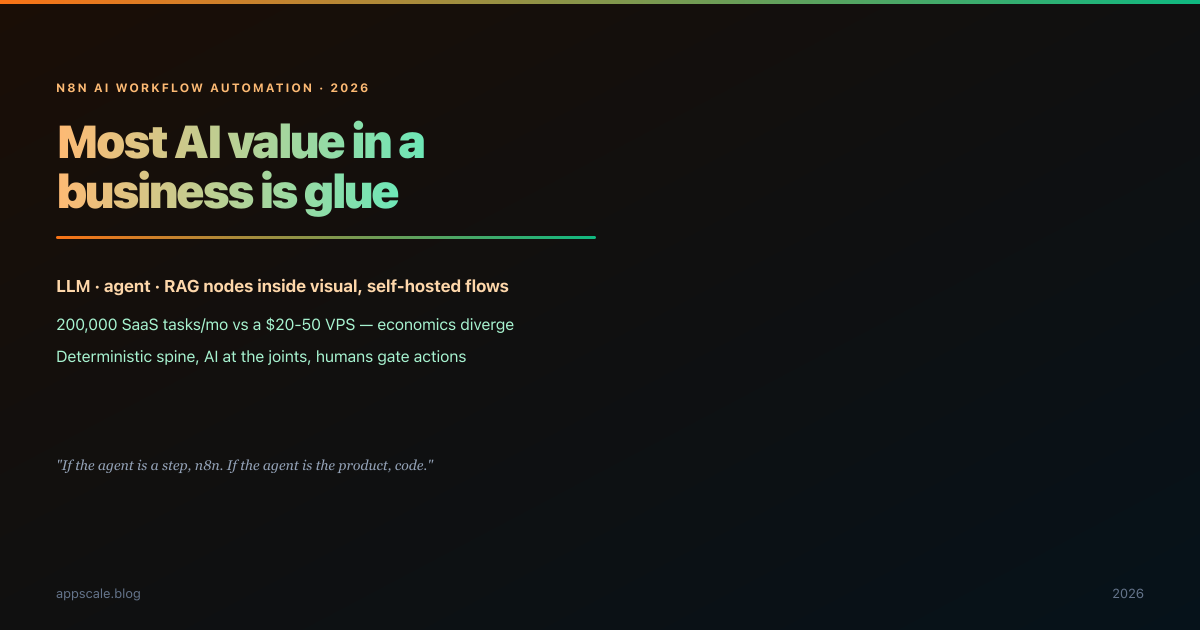
n8n AI Workflow Automation: Architecture, Agents, and When to Use It
Most AI value in a business is glue. n8n vs Zapier vs Make vs custom code, the LLM/agent/RAG node layer, the flows that earn money, and how to run it seriously.
Stay Ahead of the Curve
Weekly deep-dives on AI systems, cloud architecture, distributed systems, and engineering leadership. Join 5,000+ engineers.